
Every July and October, accounting firms across India experience the exact same operational nightmare: Tax Season Portal Fatigue.
Whether you run a boutique tax consultancy or manage a mid-sized Chartered Accountancy practice with 200+ individual and corporate clients, the workflow bottlenecks are painfully familiar:
- Calling clients multiple times a day just to receive an Income Tax portal login OTP.
- Maintaining unwieldy Excel sheets to manually record filing dates, acknowledgment numbers, and refund statuses.
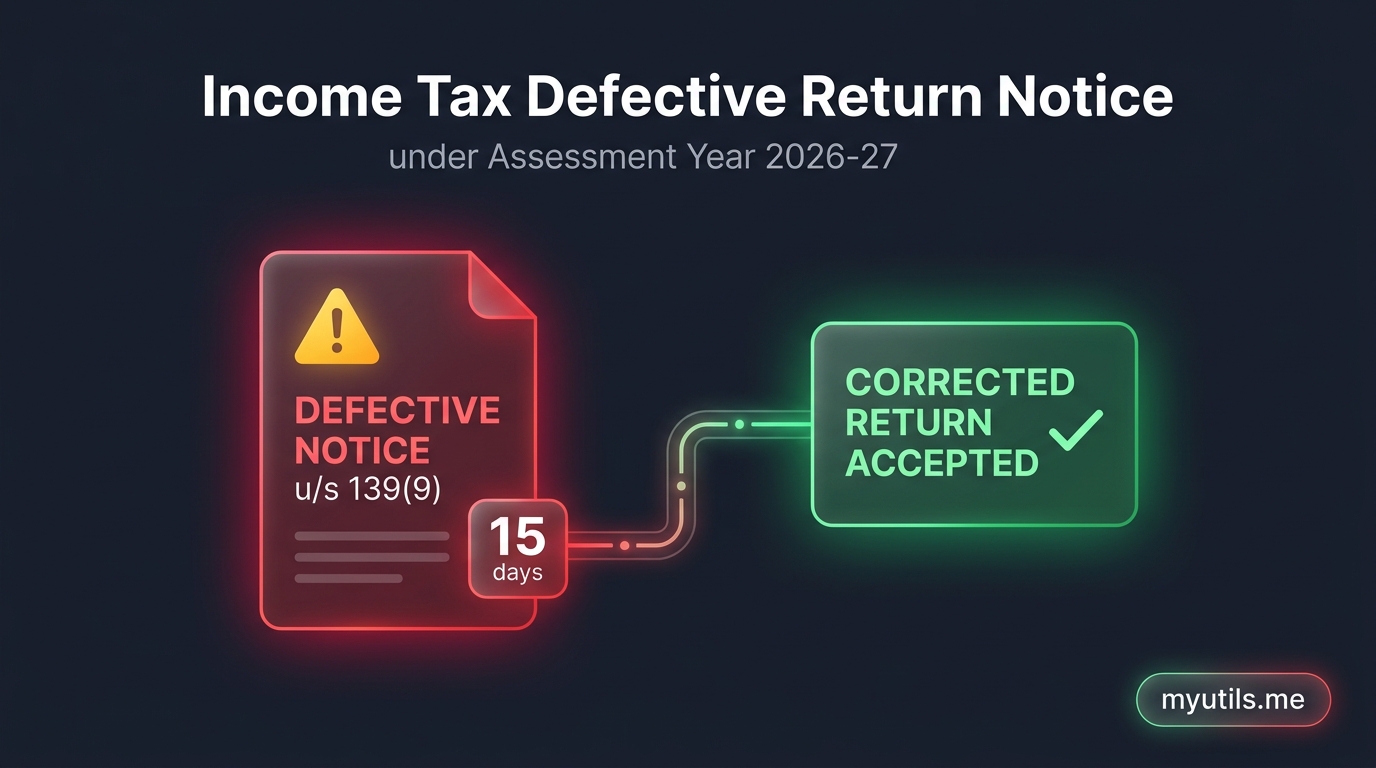
- Missing a 15-day Section 139(9) defective notice because the client ignored the automated SMS notification.
- Fielding hundreds of repetitive WhatsApp messages asking: "Sir, has my refund been credited yet?"
In Assessment Year 2026-27, running a tax practice on spreadsheets and manual logins is no longer sustainable.
Here is the strategic playbook modern CAs and tax consultants use to eliminate manual portal overhead, automate compliance tracking across hundreds of client PANs, and reclaim hundreds of hours every filing season.

The 4 Biggest Bottlenecks in Traditional Tax Practices
| Bottleneck | Daily Practice Impact | Traditional Consequence |
|---|---|---|
| 1. The OTP Drain | Constant client calls for login 2FA OTPs. | 8–12 minutes wasted per client just to access the dashboard. |
| 2. Static Spreadsheets | Excel trackers get outdated within 24 hours. | Status changes missed until after deadlines pass. |
| 3. Blindspot on Notices | Client SMS and emails ignored or forwarded late. | 15-day Section 139(9) defective response window lapses. |
| 4. Repetitive Status Calls | Clients asking "Sir, has my refund come?" | Senior partners and staff interrupted dozens of times daily. |
1. The Two-Factor Authentication (2FA) Drain
With mandatory two-factor authentication (2FA) and frequent portal session timeouts, logging into client accounts to check whether an ITR-V has been e-verified or whether an AIS has been updated takes an average of 8 to 12 minutes per client. Multiply that across 150 clients, and an article assistant wastes over 25 hours simply navigating login screens.
2. The Danger of Outdated Spreadsheets
Excel is static. A client’s return might show "Filed" on Monday, move to "Processing" on Thursday, and trigger a "Defective Notice u/s 139(9)" on Saturday. Unless your team manually logs in every single week, you will not discover the defect until the 15-day response window has already lapsed.
3. The Annual Information Statement (AIS) Scramble
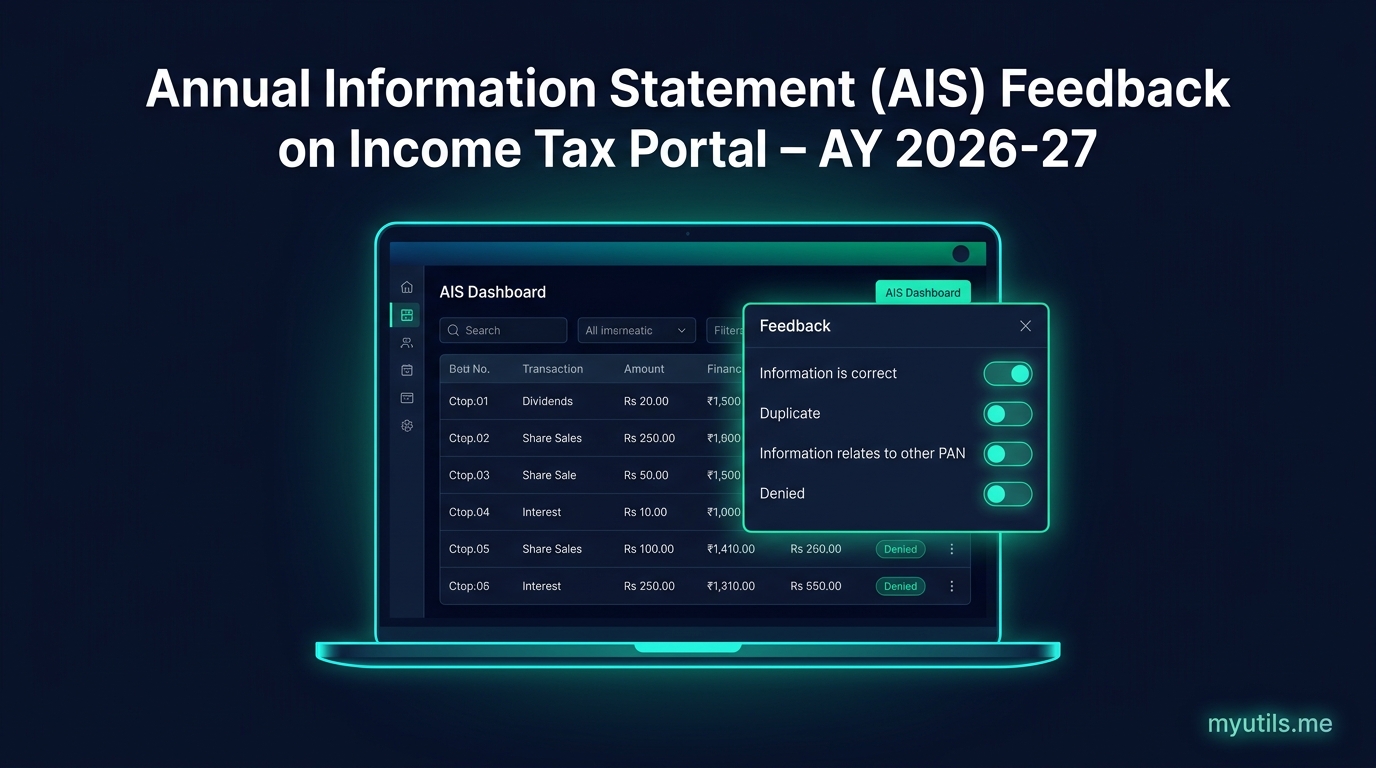
Downloading and cross-checking AIS, TIS, and Form 26AS for 100+ taxpayers before preparing returns requires repetitive downloads, password-cracking, and manual comparison against bank passbooks.
4. Client Communication Chaos
Taxpayers do not understand the difference between "ITR Verified", "CPC Processing", and "Refund Determined". The result is constant back-and-forth phone calls that distract senior partners from high-value advisory and audit work.

The Modern CA Playbook: 4 Pillars of Automated Practice Management
Forward-thinking firms are replacing ad-hoc manual checks with automated tax intelligence workflows:
Pillar 1: Automated Multi-PAN Scraping & Lifecycle Tracking
Instead of assigning staff to log in manually, modern practices use centralized client management platforms that interface securely with the e-filing portal.
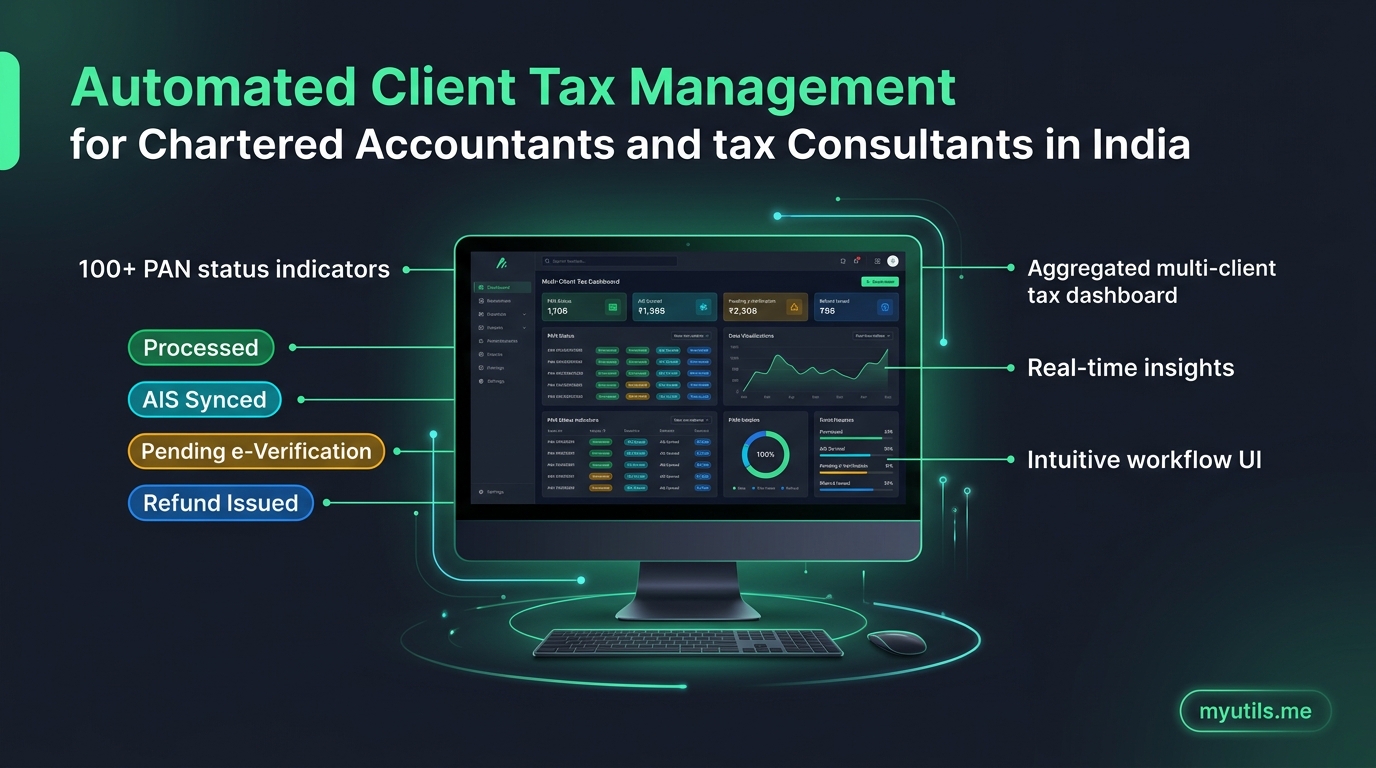
- All client PANs are visible on a single unified dashboard.
- Real-time status indicators highlight every stage: Filed ➔ e-Verified ➔ In Processing ➔ Processed with Refund / Zero Demand.
- Bulk refresh triggers sync data across dozens of PANs simultaneously in the background.
| Pipeline Stage | Platform Action | Practice Outcome |
|---|---|---|
| 1. PAN Enrollment | Store encrypted client credentials securely. | Zero repeated OTP requests for routine status checks. |
| 2. Background Sync | Automated scraper queries portal endpoints. | Up-to-date filing dates, refund status, and demand records. |
| 3. AIS Ingestion | Extracts Part B SFT and dividend items. | Unified view of client financial footprints in seconds. |
| 4. Central Dashboard | Aggregates all clients into sortable tables. | Instant visibility into which files need attention today. |
Pillar 2: Proactive Defect & Demand Monitoring
The cost of missing an Income Tax Department notice is catastrophic—a defective return becomes invalid, late fees apply, and client trust evaporates.
- Automated tools monitor Pending Actions > e-Proceedings and Response to Outstanding Demand tables continuously.
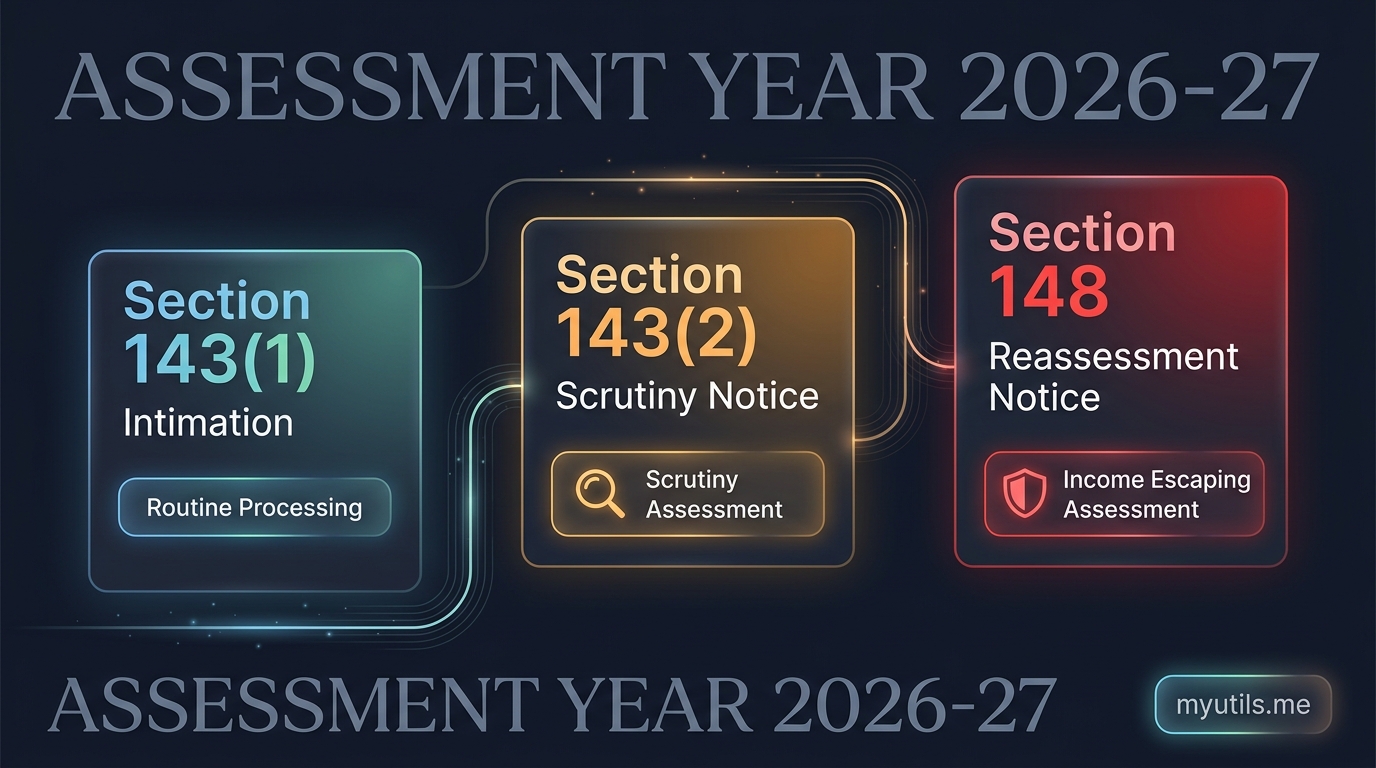
- When an intimation under Section 143(1) with a demand or a defect under Section 139(9) is detected, the platform flags the file in bright amber or red on your dashboard.
- Your team can resolve the issue within the 15-day statutory window without waiting for the client to forward an unread email.
Pillar 3: Centralized AIS & SFT Reconciliation
Before preparing an ITR-2 or ITR-3, your team needs an instant overview of high-value transactions:
- Cash deposits over ₹10 Lakh (
SFT-005). - Credit card spends exceeding ₹10 Lakh (
SFT-007). - Share sales, mutual fund switches, and dividend distributions.
- A centralized viewer allows your team to view all Part B SFT data for any client without downloading individual PDFs one by one.
Pillar 4: Automated Client Reporting & White-Label Updates
Free your staff from repetitive phone calls by generating professional compliance summaries:
- Send automated WhatsApp or email updates: "Your ITR for AY 2026-27 has been successfully processed by CPC with a refund of ₹42,500. Expected bank credit: 3–5 working days."
- Clients perceive higher professionalism, while your office saves dozens of unproductive hours each week.
Tired of Logging into the Tax Portal for Every Single PAN?
Track all your client and family ITR refund statuses, intimation notices, and AIS summaries from one clean, automated dashboard.
Security & Privacy: Handling Tax Data Responsibly
Managing sensitive financial data for high-net-worth individuals and corporate directors requires uncompromising security standards:
- Zero Plaintext Credentials: Never store client portal passwords in plain text Excel sheets or shared Google Docs. Any platform you utilize must employ bank-grade AES-256-GCM encryption where keys are never exposed.
- Read-Only Automated Extraction: Automated synchronization should strictly perform read-only queries (pulling filing dates, AIS records, and intimation PDFs) without unauthorized write actions.
- Role-Based Access Control: Ensure article trainees and junior accountants only see client profiles assigned to their specific portfolio, with full audit logging.

How myutils.me Empowers Tax Professionals
myutils.me was built specifically to solve portal fatigue for Indian Chartered Accountants, tax consultants, and financial advisors:
- Bulk PAN Management: Add 10, 50, or 200+ client profiles and monitor their complete ITR lifecycle in one clean view.
- Visual Status Badges: Instantly filter clients by status (Pending Verification, Processed, Demand Outstanding, or AIS Mismatch).
- Embedded AIS Viewer: Inspect SFT entries, dividends, and interest payouts across clients without tedious PDF downloads.
- Refund Speedometer: Track refund processing times, identify failed ECS credit intimations, and initiate reissue requests before clients even notice a delay.
Conclusion: Transform Your Tax Practice for AY 2026-27
The role of a Chartered Accountant is evolving from manual data entry to strategic financial advisory, wealth planning, and tax litigation defense.
By automating repetitive portal logins and status tracking, your firm can:
- Double your client capacity without hiring additional staff.
- Eliminate 100% of missed notice deadlines.
- Deliver an exceptional client experience that commands premium advisory fees.
Stop wasting tax season on login screens. Centralize, automate, and elevate your practice with modern tax intelligence tools.

myutils.me
Tax Compliance Research Team
Official editorial and compliance research team at myutils.me, building automated tools for income tax return tracking, AIS/TIS reconciliation, and direct tax workflows.